
Two Types of Paint, Very Different Performance
Walk into any paint supplier in Perth and you’ll find two broad categories of paint: water-based (acrylic or latex) and oil-based (alkyd or enamel). Both have legitimate uses in residential painting, but choosing the wrong type for the wrong surface leads to poor adhesion, premature failure, and wasted money.
Over the past 20 years, water-based technology has improved dramatically, and it now handles the vast majority of residential painting tasks. But oil-based products still outperform water-based in specific situations — particularly on surfaces that take heavy wear or require an ultra-smooth, hard finish.
Oil-Based vs Water-Based Paint Comparison
| Property | Water-Based (Acrylic) | Oil-Based (Alkyd/Enamel) |
|---|---|---|
| Drying time | 1–2 hours between coats | 6–8 hours between coats (longer in Perth’s humid winter) |
| Odour | Low; safe for occupied homes | Strong fumes; requires ventilation |
| Clean-up | Soap and water | Mineral turpentine or white spirit |
| Durability | Good to very good; flexible film | Excellent hardness; resists scuffing |
| Yellowing | Minimal; stays white over time | Yellows over time, especially in low-light areas |
| UV resistance | Excellent — flexible resin resists cracking | Moderate — hard film becomes brittle under UV |
| Adhesion (over existing oil) | Requires careful prep and bonding primer | Bonds directly to existing oil-based coatings |
| Finish quality | Good; slight brush marks in gloss | Superior flow and levelling; smooth gloss finish |
| VOC content | Low | High — restricted under some WA council regulations |
| Best for | Walls, ceilings, exteriors, most surfaces | Trims, doors, cabinetry, high-wear timber |
When to Use Water-Based Paint
Water-based acrylic paint is the default choice for most residential painting in Perth. It handles our extreme UV conditions better than oil-based because the acrylic resin stays flexible as it ages, rather than becoming brittle and cracking. This flexibility is critical on exterior surfaces that experience significant thermal expansion — a west-facing rendered wall in Balcatta might see temperature swings from 8°C in a July morning to 45°C surface temperature on a February afternoon.
Best Applications
Use water-based for all interior walls and ceilings, exterior walls and render, fibre cement cladding, weatherboard (with appropriate primer), fences, and decks. Modern premium acrylics like Dulux Wash & Wear and Taubmans Endure deliver excellent scrubbability and stain resistance that rival oil-based products for interior painting durability.
Water-based is also the practical choice for homes that remain occupied during painting. Low odour and fast drying (rooms can be reoccupied within hours) make it far less disruptive than oil-based alternatives.
When to Use Oil-Based Paint
Oil-based enamel still has a place in residential painting, particularly where a hard, smooth, scuff-resistant finish is required.
Best Applications
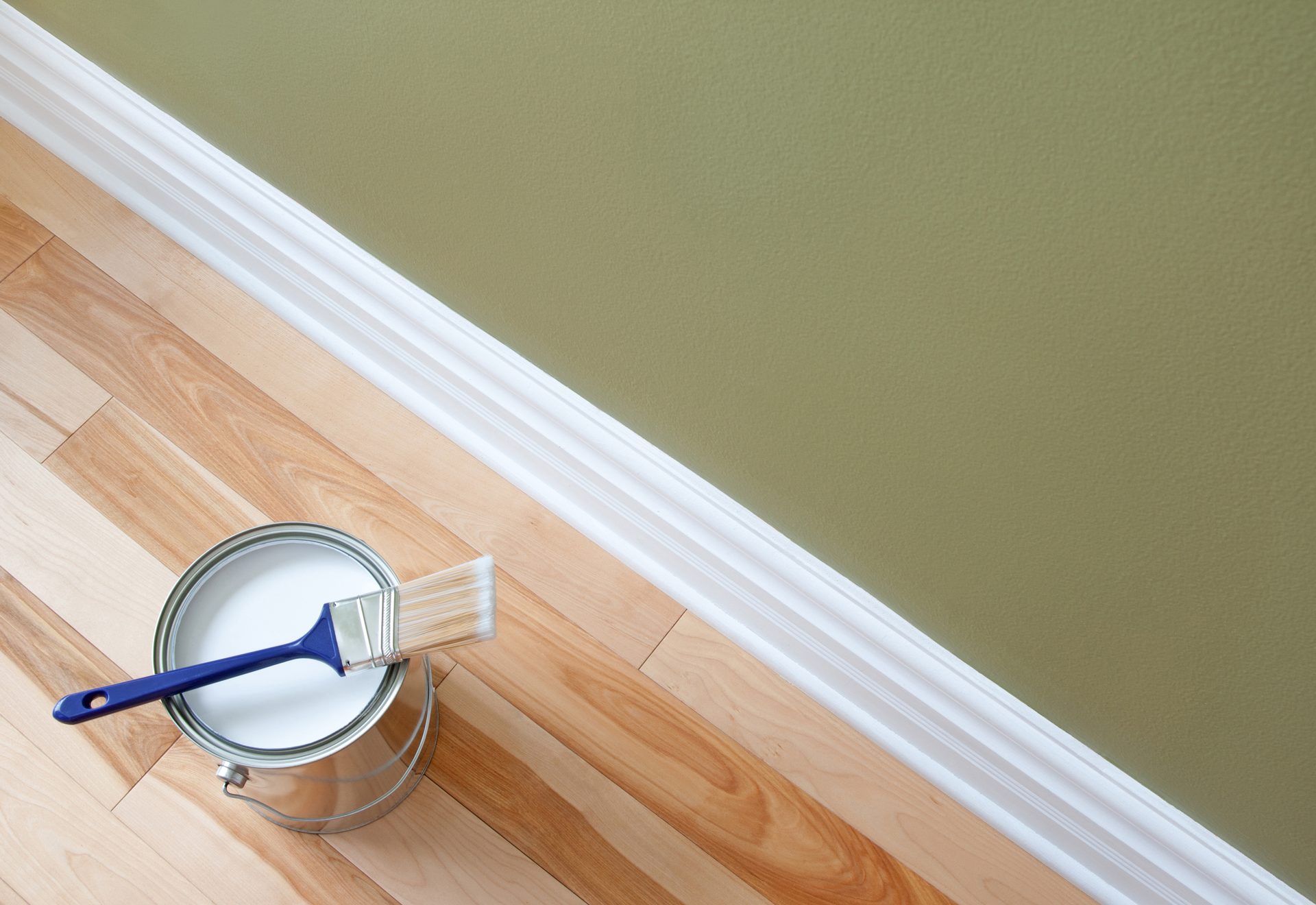
Interior doors, skirting boards, architraves, window sills, and built-in cabinetry are the primary candidates for oil-based enamel. These surfaces take daily physical contact — shoes scuffing skirtings, hands pushing doors — and oil-based enamel’s superior hardness resists marking better than water-based alternatives. The self-levelling properties of oil-based paint also produce a smoother finish on detailed timber profiles and mouldings.
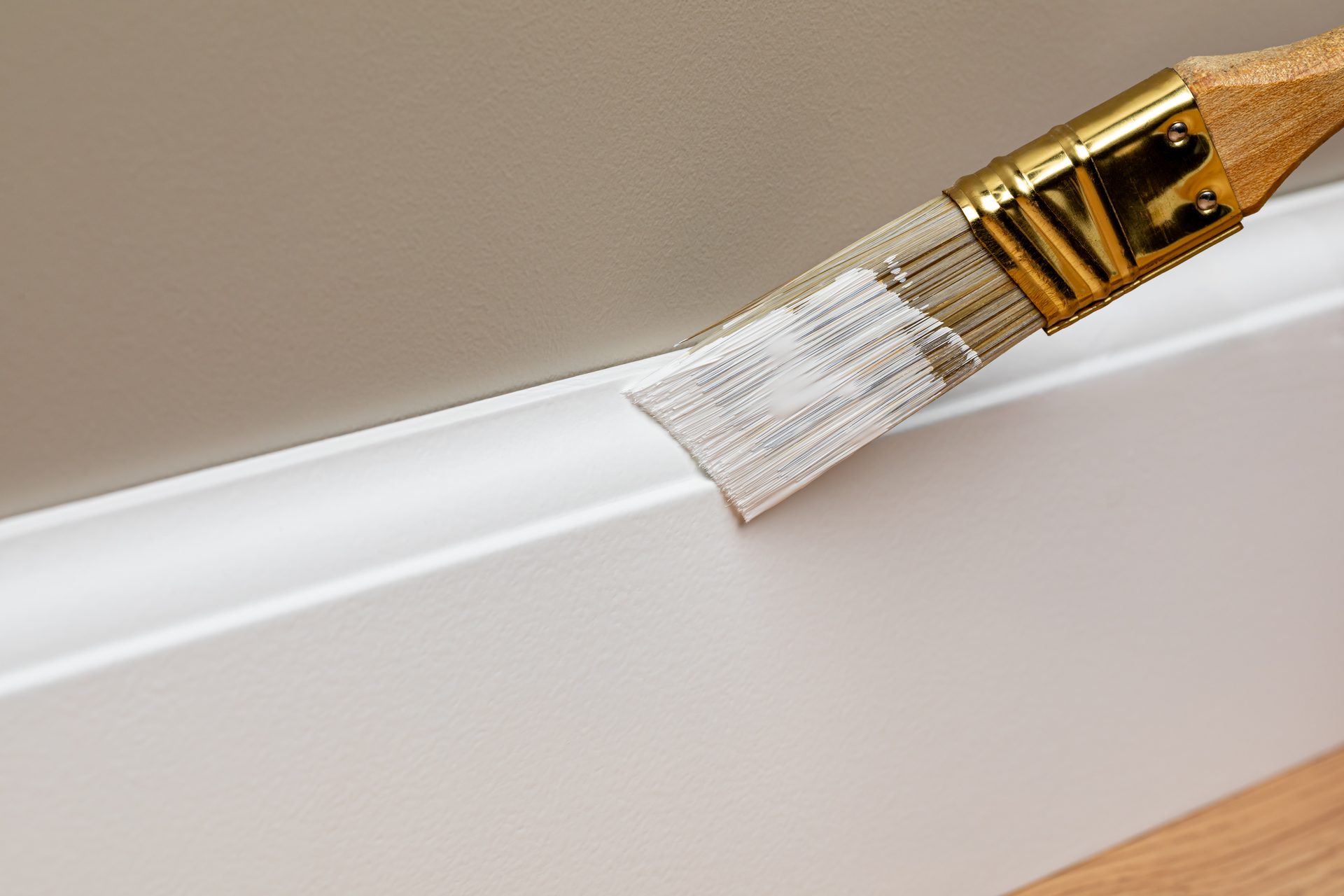
However, be aware that oil-based white paint will yellow over time, particularly in bathrooms, laundries, and rooms with limited natural light. If your trims are white, many professional painters now recommend water-based enamel (a hybrid product) as a compromise that offers good hardness without yellowing.
The Special Case: Painting Over Existing Oil-Based Coatings
Many Perth homes built before 2000 — particularly character homes in Subiaco, Nedlands, and Claremont — have timber trims, doors, and window frames coated in oil-based enamel. When repainting these surfaces, you need to consider what’s already there.
Applying water-based paint directly over oil-based coatings without proper preparation leads to adhesion failure — the new paint peels off in sheets, often within months. The correct approach is to sand the existing oil-based surface to create a mechanical key, then apply a bonding primer (such as Zinsser Bulls Eye 1-2-3) before topcoating with your chosen water-based product.
Alternatively, you can continue using oil-based over oil-based without a bonding primer, provided the existing surface is sound, clean, and lightly sanded. Your painter should identify what’s on the surface during the quoting process and recommend the appropriate system. Thorough surface preparation is non-negotiable regardless of which product you choose.
Lead Paint Considerations for Older Perth Homes
Homes built before 1970 across Perth may contain lead-based paint, particularly on exterior timber and metal surfaces. Lead paint was oil-based, and sanding or scraping it releases hazardous lead dust. If your home pre-dates 1970, any repainting work should include lead testing before preparation begins. Under WA regulations and AS 4361.2, lead paint management requires specific containment and disposal procedures. A professional painting service will test for lead and manage it safely as part of the project scope.
For most Perth homes, water-based acrylic is the right choice for the vast majority of surfaces. Reserve oil-based for high-wear trims and doors where hardness matters, and always ensure proper preparation when switching between coating types. If you’re unsure which system is right for your home, James Officer can inspect your surfaces and recommend the best approach for lasting results.

Related Services
Got a project on your mind?
Tell us what you’re working on. Free site visit, indicative budget, no obligation.
Get a Fast QuoteRelated Posts