

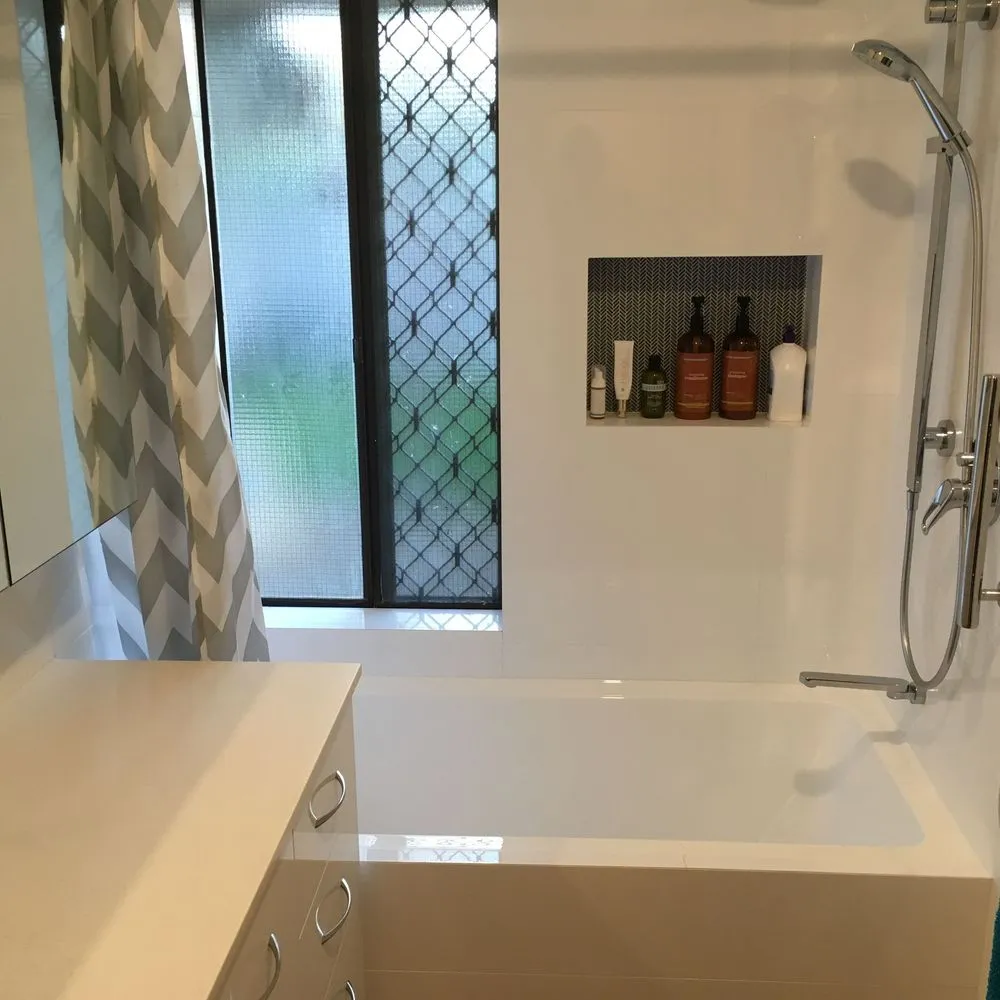
The Windowless Bathroom Problem in Perth Homes
Thousands of Perth homes have at least one bathroom without a window. It is especially common in centrally located bathrooms in 1970s and 1980s brick-and-tile homes across suburbs like Morley, Balcatta, Joondalup, and Rockingham, where the bathroom sits between bedrooms with no external wall. Ensuites added during later renovations are another frequent culprit — carved out of existing bedroom space with no opportunity for a window.
Without proper ventilation, these bathrooms trap moisture after every shower, creating the ideal environment for mould growth, peeling paint, and deteriorating grout. Perth’s winter months from May through September bring higher humidity and cooler temperatures, making condensation worse. Left unaddressed, poor ventilation leads to black mould on ceilings, musty odours, and damage to surfaces and building materials that costs far more to repair than a ventilation upgrade.
Ventilation Options for Windowless Bathrooms
| Solution | Airflow Capacity | Installation Cost (Perth) | Noise Level | Best For |
|---|---|---|---|---|
| Ceiling exhaust fan (ducted to exterior) | 150–250 m³/hr | $350–$800 | Low to moderate | Most windowless bathrooms |
| Inline duct fan | 200–400 m³/hr | $500–$1,200 | Very low (motor away from room) | Long duct runs, noise-sensitive areas |
| Wall-mounted exhaust fan | 100–200 m³/hr | $250–$500 | Moderate | Bathrooms with an external wall |
| Heat-lamp / fan / light combo | 100–180 m³/hr | $400–$900 | Moderate | Combined function, smaller bathrooms |
| Humidity-sensing automatic fan | 150–300 m³/hr | $500–$1,000 | Low | Set-and-forget operation |
Ceiling Exhaust Fan: The Standard Solution
The most common and effective solution for windowless Perth bathrooms is a ceiling-mounted exhaust fan ducted to the exterior of the building. The fan draws moist air out of the bathroom and expels it through a duct that terminates at a roof vent or external wall cap.
Sizing the Fan Correctly
A bathroom exhaust fan needs to cycle the room’s air volume at least 15 times per hour for effective moisture removal. For a standard 3m x 2m bathroom with a 2.4m ceiling height, that means a minimum airflow of 216 m³/hr. Choosing an undersized fan is a common mistake — it runs but never clears the moisture effectively. Our exhaust fan installation service ensures correct sizing for your specific bathroom.
Ducting Matters
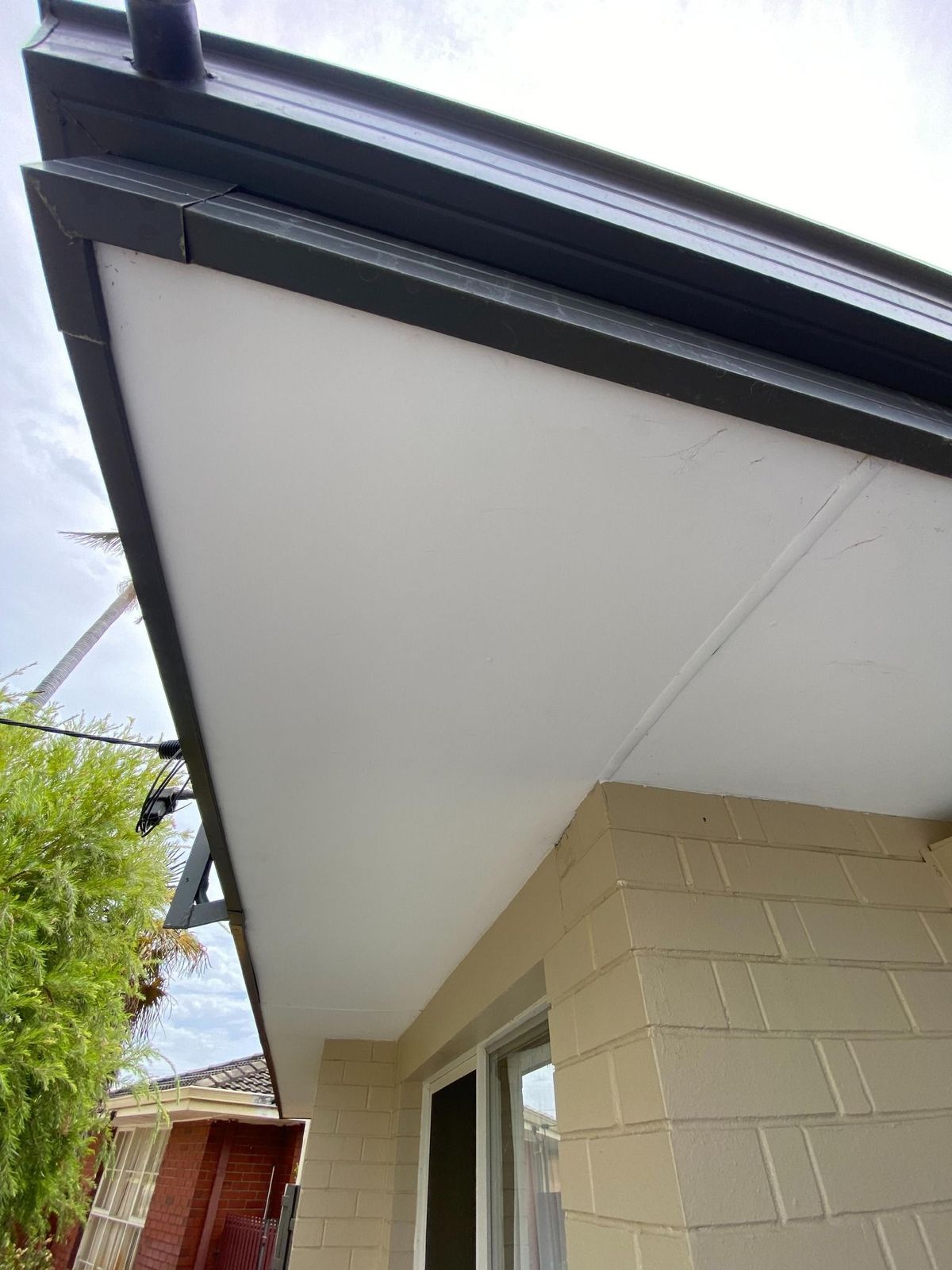
The fan is only as good as its ducting. Flexible duct that runs through the roof cavity must slope slightly upward toward the exterior vent to prevent condensation pooling inside the duct. Duct runs should be as short and straight as possible — every bend reduces airflow by 10–15%. The duct must terminate at an external vent, never into the roof cavity. Dumping moist air into the roof space causes timber rot and ceiling damage — a surprisingly common installation error we find during renovations in older Perth homes.
Advanced Options: Inline Fans and Humidity Sensors
Inline Duct Fans
For bathrooms that require a long duct run to reach an external wall or roof vent — common in the centre of larger Perth homes in suburbs like Nedlands and Subiaco — an inline duct fan is the better option. The motor sits inside the roof cavity rather than in the ceiling unit, dramatically reducing noise in the bathroom while providing stronger airflow to overcome the resistance of a longer duct.
Humidity-Sensing Fans
A humidity-sensing fan switches on automatically when it detects moisture levels above a set threshold, then continues running until humidity returns to normal. This eliminates the common problem of family members forgetting to turn the fan on or turning it off too early. For Perth’s winter months when background humidity is higher, these fans may run for 15–20 minutes after a shower compared to 5–10 minutes in summer — automatically adjusting to conditions.
Additional Strategies to Reduce Bathroom Moisture
An exhaust fan is the primary solution, but several supplementary measures help manage moisture in windowless bathrooms. Leave the bathroom door open after use to allow air circulation into adjacent rooms. Use a quality shower screen rather than a curtain to contain water spray. Ensure all silicone seals around the shower, bath, and vanity are intact — gaps allow water to penetrate behind fixtures where it cannot evaporate.
During a bathroom renovation, consider specifying anti-mould paint for the ceiling and any non-tiled wall areas. These paints contain fungicidal additives that inhibit mould growth on painted surfaces, providing an additional layer of protection in high-humidity environments.
If your windowless bathroom has persistent mould issues, inadequate ventilation, or a noisy, outdated fan, the fix is straightforward and cost-effective. A properly sized, correctly installed exhaust system solves the problem permanently and protects your bathroom finishes for years to come.

Related Services


Small Bathroom Renovations
Simple, stress-free renovations for small bathrooms.
Small Bathroom Renovations →Got a project on your mind?
Tell us what you’re working on. Free site visit, indicative budget, no obligation.
Get a Fast QuoteRelated Posts
